Kiyomizu-dera: Your Complete Guide to Kyoto's Iconic Temple
🌸 Kiyomizu-dera Temple: Kyoto’s Iconic Pure Water Sanctuary
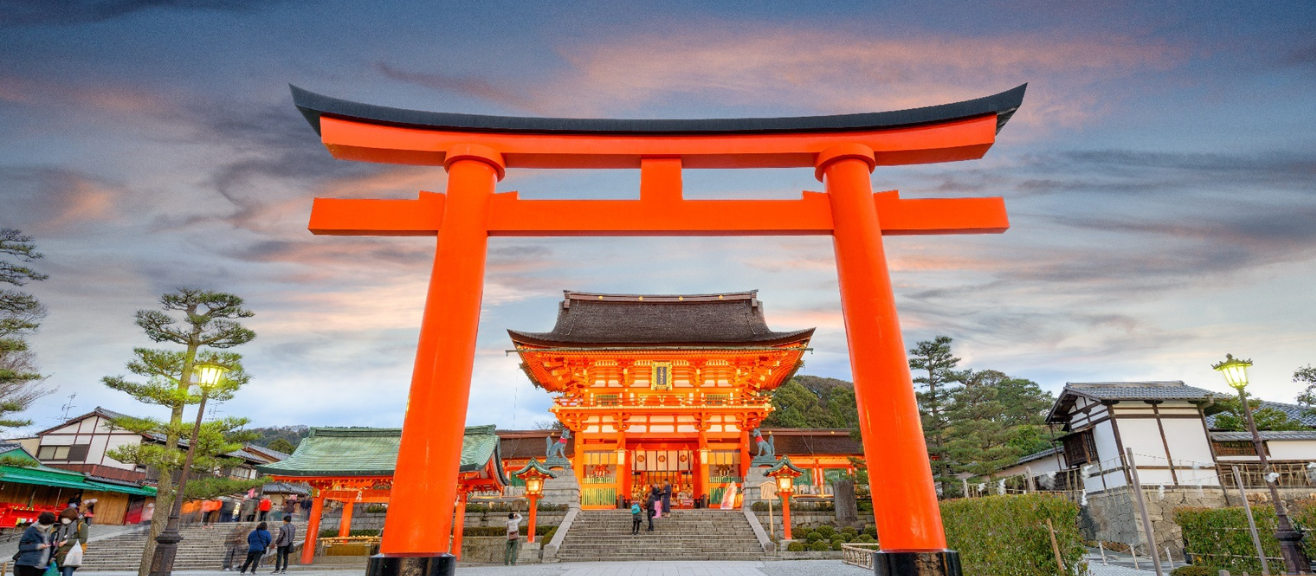
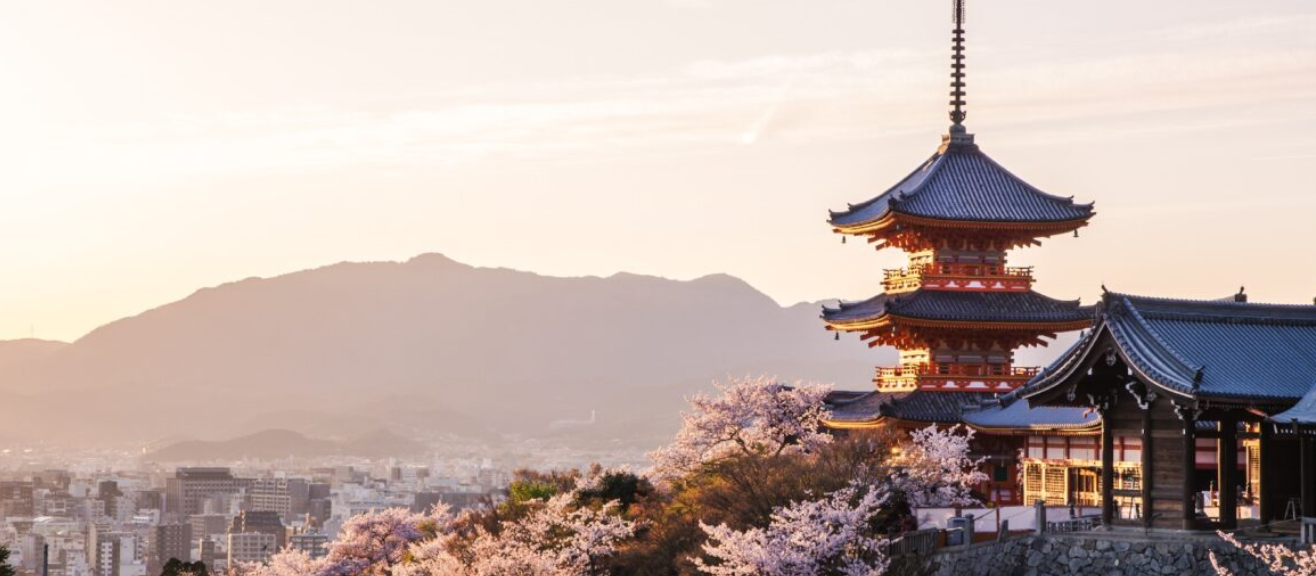
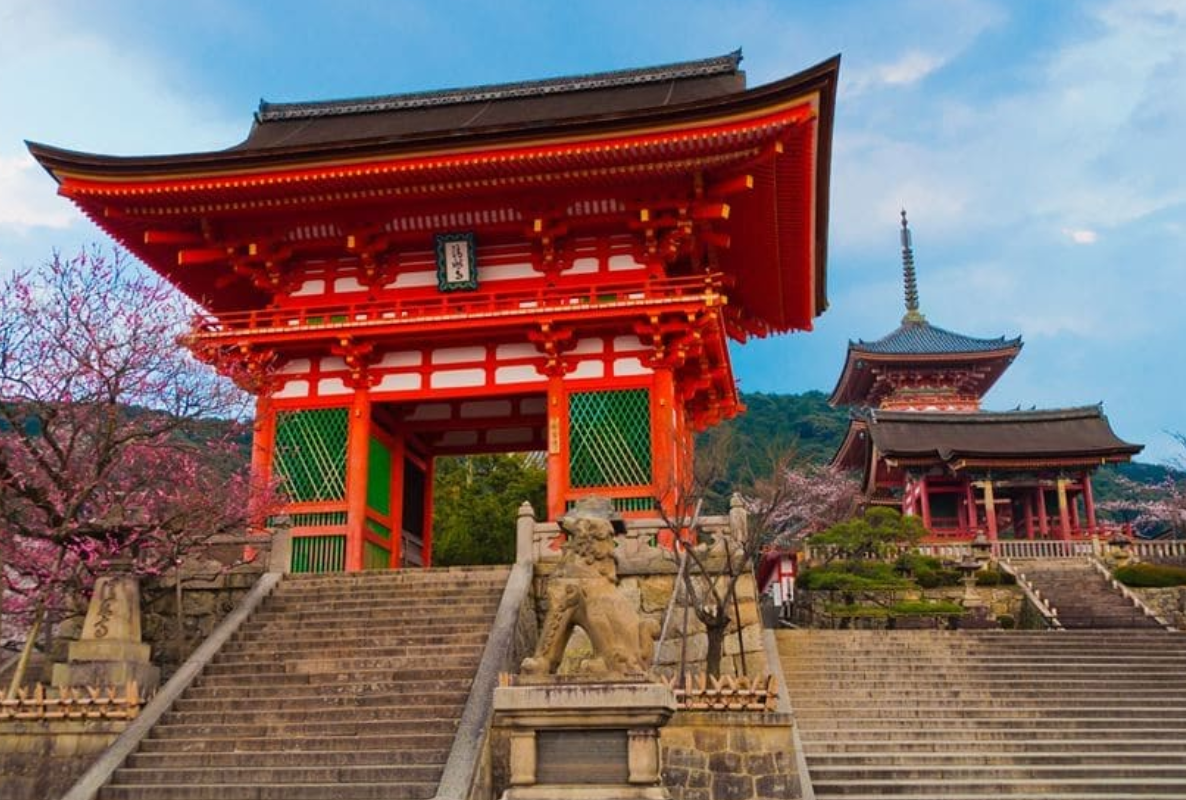
Visiting Kiyomizu-dera Temple feels like stepping into a serene world suspended above Kyoto. From the moment you approach the grand vermilion Nio-mon Gate, the vibrant colors and traditional wooden architecture captivate your senses. The temple is best known for its massive main hall, famously built without any nails, featuring a wooden stage perched 13 meters above the hillside. The gentle sound of flowing water from the sacred Otowa Waterfall and distant temple bells fills the air, creating a tranquil and spiritual ambiance. This post will guide you through how to get to Kiyomizu-dera, the best times to visit, ticket tips, and the must-see highlights inside the temple grounds. Don’t forget to get your Kiyomizu-dera tickets on http://laimi.com to save time and secure your entry.
📅 Best Time to Visit Kiyomizu-dera
Spring and autumn are the prime seasons to visit Kiyomizu-dera. During spring (March to May), the temple grounds burst into color with cherry blossoms, providing stunning photo opportunities. In autumn (October to November), the vibrant red and orange foliage beautifully frames the temple and enhances its historical charm. Summer can be hot and crowded, so it is best to avoid July and August and the busy Golden Week holiday. Visiting on weekdays and arriving early in the morning or late afternoon helps you avoid the crowds and enjoy more peaceful moments. For a full seasonal overview, check out our guide on the best time to visit Kyoto, and use the Japan public holiday calendar to plan your visit efficiently.
🚇 How to Reach Kiyomizu-dera Temple in Kyoto
The best way to reach Kiyomizu-dera Temple is to start your journey at its official address: 1-294 Kiyomizu, Higashiyama-ku, Kyoto. Located in the heart of the scenic Higashiyama district, the temple is easily accessible by multiple forms of transport and offers a beautiful experience along the way. The most common route is to arrive from Kyoto Station, the city's central transportation hub, where you can choose between several convenient options to get to the temple.
By City Bus: Take Kyoto City Bus number 100 or 206 from Kyoto Station and get off at Gojozaka or Kiyomizu-michi. The bus ride typically takes about fifteen to twenty minutes, followed by a pleasant, slightly uphill walk of around ten minutes through historic Kyoto streets and traditional shops to the temple entrance. Note: Buses may be crowded, especially during peak tourist seasons, so consider traveling early in the morning or later in the afternoon for a more relaxed journey.
By Taxi: Taxis are readily available at Kyoto Station and will bring you directly to Kiyomizu-dera in about ten to fifteen minutes. This option is ideal for travelers with heavy luggage or those seeking a quick and comfortable transfer, though fares will be higher than the bus.
By Subway and Walk: If you are in the city center or near the Kamogawa River, you can use the Keihan Line to reach either Gion-Shijo or Kiyomizu-Gojo stations. From there, it is a scenic twenty-minute walk to the temple, with lovely views and the opportunity to soak in Kyoto’s tranquil atmosphere.
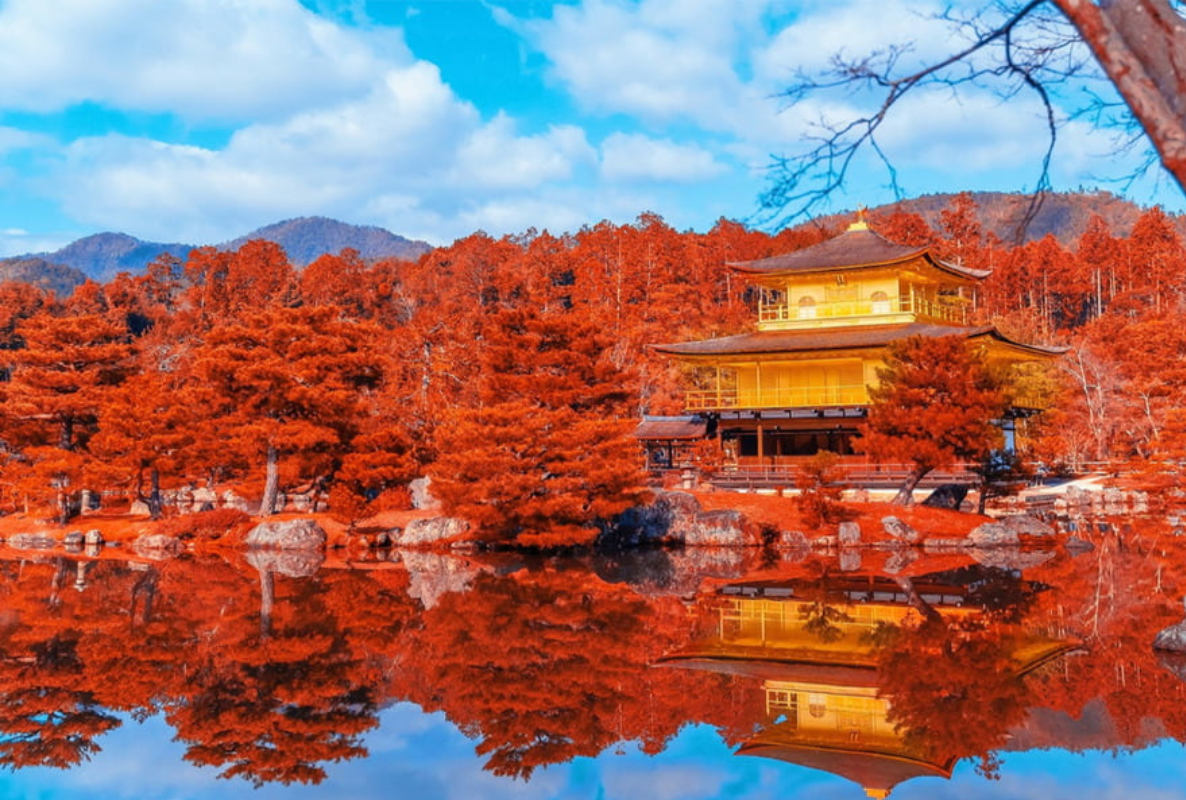
From Other Landmarks: If you’re planning to visit both Kiyomizu-dera and the famous Kinkaku-ji Golden Pavilion, you can take Kyoto City Bus number 204 from Kinkakuji-michi, transfer to bus 206 at Kumano Jinja-mae, and get off at either Gojozaka or Kiyomizu-michi for direct access.
⏰ Kiyomizu-dera Temple Opening Hours
Kiyomizu-dera’s visiting hours vary seasonally and include special night viewings that add a magical touch to your experience. Below is an easy-to-understand table summarizing regular opening times and special event schedules throughout the year.
| Period | Opening Time | Closing Time | Notes |
|---|---|---|---|
| September 1 – June 30 | 6:00 a.m. | 6:00 p.m. | Regular hours |
| Weekends & holidays (Apr 8 – Jun 30) | 6:00 a.m. | 6:30 p.m. | Extended closing during busy periods |
| July 1 – August 31 | 6:00 a.m. | 6:30 p.m. | Summer schedule |
| Autumn night viewing (Nov 16 – Dec 1) | 6:00 a.m. | 9:00 p.m. | Special illumination, last entry at 9:00 p.m. |
| Spring Higashiyama Hanatouro (Mar 8 – Mar 17) | 6:00 a.m. | 9:00 p.m. | Special night viewing for the festival |
| Spring night viewing (Mar 29 – Apr 7) | 6:00 a.m. | 9:00 p.m. | Extended hours during spring illuminations |
| Summer Sennichi-mairi (Aug 14 – Aug 16) | 6:00 a.m. | 9:00 p.m. | Special night visits during summer pilgrimage |
Important Notes:
- Nighttime visits run from 6:00 p.m. to 9:00 p.m. during special illumination events.
- Last entry is typically 30 minutes before closing.
- Hours may change slightly for special events and public holidays.
- Always consult official sources or laimi.com for the most current opening times before your visit.
This seasonal schedule offers visitors ample opportunity to enjoy Kiyomizu-dera both during the day and under stunning nighttime illuminations that highlight Kyoto’s beauty in every season.
🎎 Cultural and Unique Experiences at Kiyomizu-dera Temple
Kiyomizu-dera offers more than its iconic architecture and spiritual significance. Visitors can immerse themselves in a variety of meaningful cultural activities and breathtaking sights that enrich the visit.
Drinking from the Otowa Waterfall
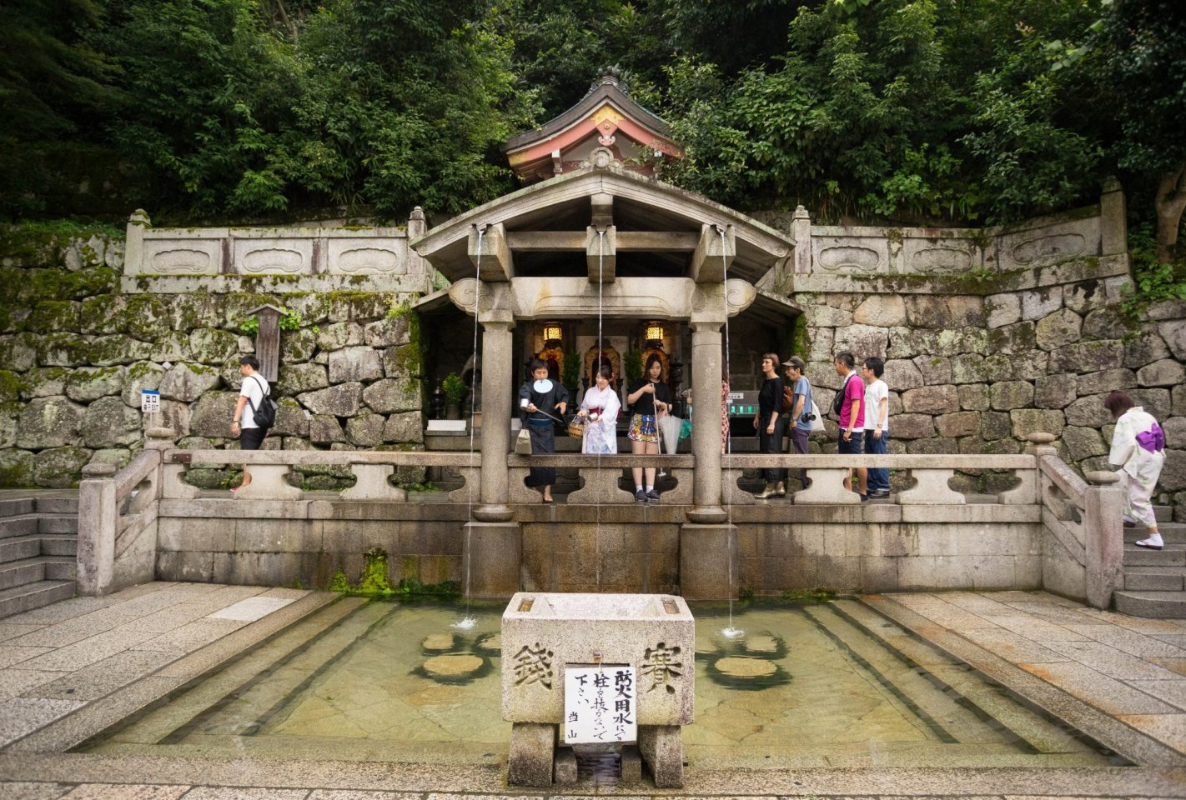
At the base of the temple, the Otowa Waterfall divides into three streams. It is said that drinking from one stream grants health, another brings love, and the third offers success in career. Visitors are advised to select only one stream to drink from, as trying all three is considered greedy and may diminish the blessing. When drinking, use the wooden ladle to pour water into your hand instead of drinking directly for hygiene and respect.
Seeking Love at the Love Stone
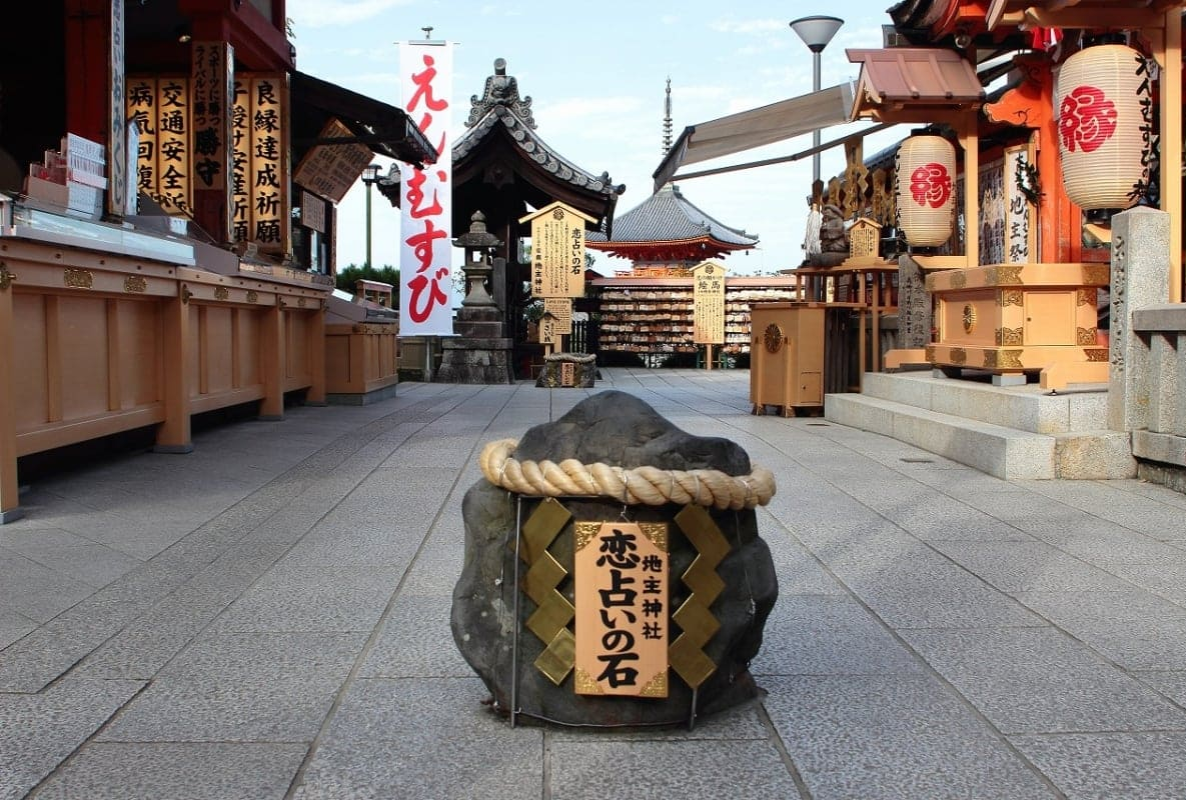
Inside the Jishu Shrine within Kiyomizu-dera’s grounds, the famous Love Stone invites visitors to test their luck in love. The challenge is to walk blindfolded between two stones placed approximately eighteen meters apart. Successfully reaching the second stone without assistance is believed to bring true love. This is a popular activity among couples and young visitors hoping for romantic fortune.
Participating in Traditional Cultural Workshops
Kiyomizu-dera hosts various cultural classes including tea ceremony, meditation, and calligraphy lessons. These workshops provide an authentic window into Japanese traditions and offer a calm, spiritual experience in a beautiful temple setting.
Admiring the Thousand-Armed Kanzeon Bodhisattva Statue
Within the main hall, visitors can admire the magnificent statue of Kanzeon, the Thousand-Armed Bodhisattva, symbolizing infinite compassion and mercy. The eleven faces on the statue represent joy, love, and unconditional kindness. Standing before this statue offers spiritual calm and an opportunity for peaceful prayer.
Enjoying Panoramic Views of Kyoto
One of the most memorable experiences at Kiyomizu-dera is the panoramic view from the temple’s famous wooden stage. Gazing over Kyoto’s historic cityscape, especially during the crimson hues of autumn leaves, is simply breathtaking. The temple grounds also glow enchantingly during evening illuminations, making a night visit highly recommended for an unforgettable atmosphere.
Seasonal Festivities and Celebrations
Visitors may also time their trip to join prominent festivals such as the Buddha’s Birthday Flower Festival on April 8th, celebrated with floral decorations and traditional rituals, and the Seiryukai Festival on June 23rd honoring the guardian deity Seiryu with traditional performances, prayers, and local crafts. These vibrant events highlight Kyoto’s rich cultural heritage and offer unique insights into local beliefs and customs.
🍽️ Food & Drink Delights Near Kiyomizu-dera Temple
When visiting Kiyomizu-dera, food enthusiasts will find plenty to savor around this historic area. The streets leading to the temple are dotted with charming eateries, traditional tea houses, and cosy cafes where you can taste authentic Kyoto flavors and unique Japanese delicacies.
Local Specialties to Try
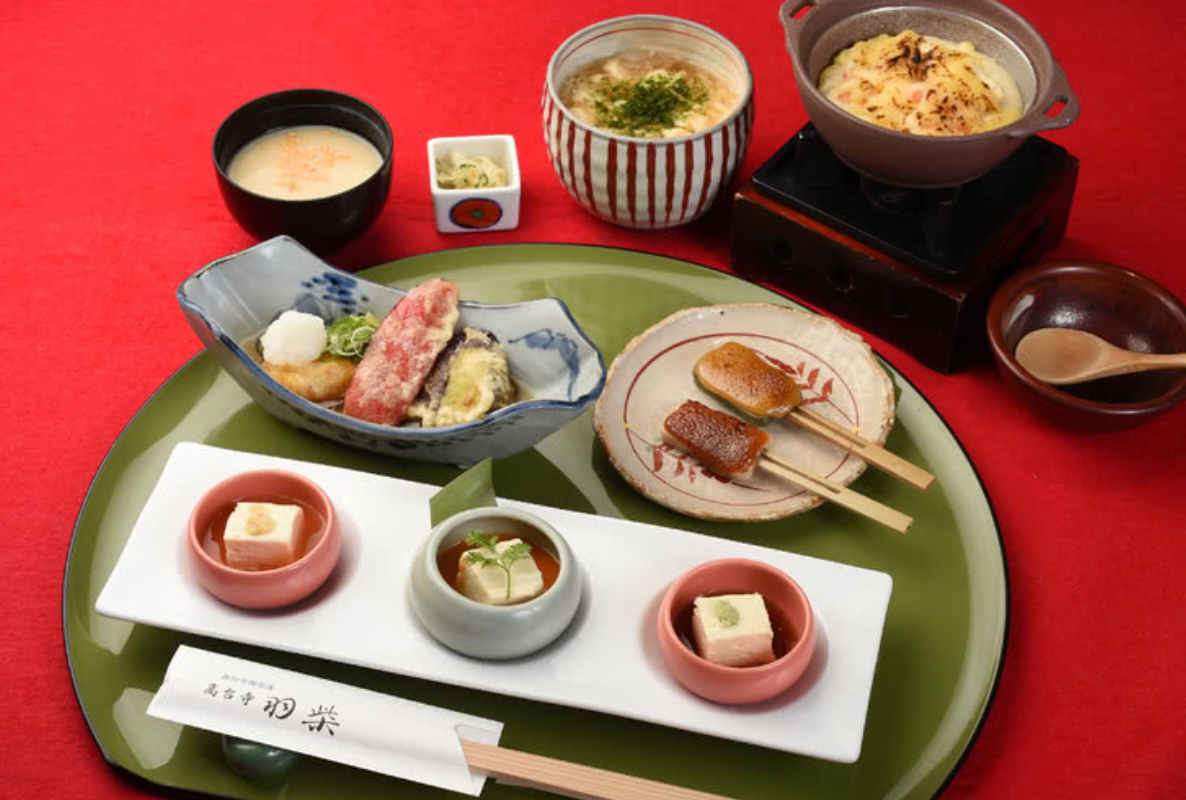
One must-try dish is yudofu, a warm tofu hot pot prized in Kyoto for its delicate flavor and silky texture. It is often served in peaceful, traditional settings just a short walk from Kiyomizu-dera, perfect for a relaxing lunch between sightseeing.
If you crave something sweet, don’t miss out on matcha-flavored treats. From creamy matcha ice cream to fluffy matcha dango (rice dumplings), these desserts showcase Kyoto’s famed green tea in every bite. Popular spots like Chubokuchaya serve delightful warabi mochi, a chewy jelly-like dessert, along with refreshing drinks such as hiyashiame, a sweet ginger beverage.

Famous Restaurants Around
Otowa Saryo is known for its broader menu featuring Japanese classics including tempura, udon, and soba noodles, with the bonus of al fresco dining overlooking scenic mountain views. Another hidden gem is Okabeya, celebrated for its yuba (tofu skin) and yudofu sets, meant to be savored slowly amid atmospheric surroundings.
For quick snacks, the bustling slopes of Ichinenzaka, Ninenzaka, and Sanneizaka offer street foods like mitarashi dango (sweet soy-glazed rice dumplings), fruit sandwiches, and Japanese-style pancakes filled with sweet red bean paste known as dorayaki. These are perfect for sampling while wandering the picturesque streets of the Higashiyama district.
Cozy Cafes and Contemporary Flavors
Adventurous foodies can also explore modern cafes like the tatami-style Starbucks Kyoto Ninenzaka Yasaka Chaya, offering a charming blend of familiar coffee comfort and traditional Japanese design. Here, seasonal frappuccinos inspired by local flavors add a unique twist to the beverage menu.
Tips for Food Lovers
During peak tourist seasons, it’s wise to visit popular eateries during off-peak hours or settle for casual dining options to avoid long waiting times. Many restaurants accept cash only, so carry some yen. For a cultural experience paired with your meal, try booking a traditional kaiseki multi-course meal in advance, which highlights Kyoto’s seasonal ingredients in artistic presentations.
🎟️ Ticket Tips & Visitor Info
Admission to Kiyomizu-dera currently costs 400 to 600 yen for adults, with discounted rates for children and seniors. Tickets are sold on site only, so arriving early helps avoid lines, especially in peak seasons. The temple does not allow re-entry, so plan your visit accordingly. Cash payment is recommended as card use can be limited. Pro tip: combine your visit with nearby attractions by purchasing a combined ticket or guided tour through https://laimi.com for convenience and time savings.
👨👩👧 Who Is It Best For?
If you love history, culture, and scenic views, Kiyomizu-dera is a perfect stop for families, solo travelers, and couples. The temple grounds involve some uphill walking but are mostly stroller-friendly, though visitors with mobility issues should take care on uneven paths. The atmosphere is peaceful despite crowds and offers a unique cultural experience accessible to a wide range of travelers. If visiting with toddlers or elderly family, pace your visit to enjoy rest stops along the way.
🚨 Important Visitor Guidelines for Kiyomizu-dera Temple in Kyoto
Visiting Kiyomizu-dera offers a spiritual and historic experience, but respecting the temple's rules is essential for safety and preserving its sanctity.
Firstly, smoking is strictly prohibited throughout the entire temple grounds to maintain the serene and sacred atmosphere. Visitors should practice responsible waste management by carrying all trash with them until it can be disposed of properly, including plastic bottles, cans, and wrappers.
Pets are not allowed inside the temple area except for service animals such as guide dogs, support dogs, and hearing dogs to ensure a quiet environment for all guests. Photography rules are specific and important: the use of drones, monopods, and tripods is forbidden. Moreover, commercial photography like weddings, cosplay, or fashion shoots involving models is not permitted without special authorization.
Respect the temple’s natural and cultural environment by not entering off-limits areas such as shrubbery or gardens, which are protected for conservation. Large group photos or picnics should be avoided in the temple precincts to prevent obstructing other visitors’ paths and maintain the tranquil atmosphere.
Abiding by these guidelines not only preserves the temple’s tradition and beauty but also helps guarantee a meaningful, safe, and enjoyable visit for everyone. Following the temple’s rules ensures a respectful engagement with this treasured Kyoto landmark and its spiritual heritage.
🌟 Conclusion: Wrapping Up Your Visit to Kiyomizu-dera Temple
Visiting Kiyomizu-dera Temple in Kyoto offers an unforgettable blend of history, spirituality, and natural beauty. Whether you explore its magnificent wooden stage overlooking the city, stroll the tranquil gardens, or enjoy special evening illumination events, the temple leaves a lasting impression. Keep in mind the thoughtful opening hours and seasonal events that can greatly enhance your experience. Respecting the temple’s guidelines ensures a meaningful and reverent visit for everyone.
For more detailed information, practical tips, and to secure your tickets, be sure to visit http://laimi.com. Plan ahead to make your journey to this iconic Kyoto landmark as smooth and memorable as possible.