🌊 Quick Overview of Uluwatu Temple
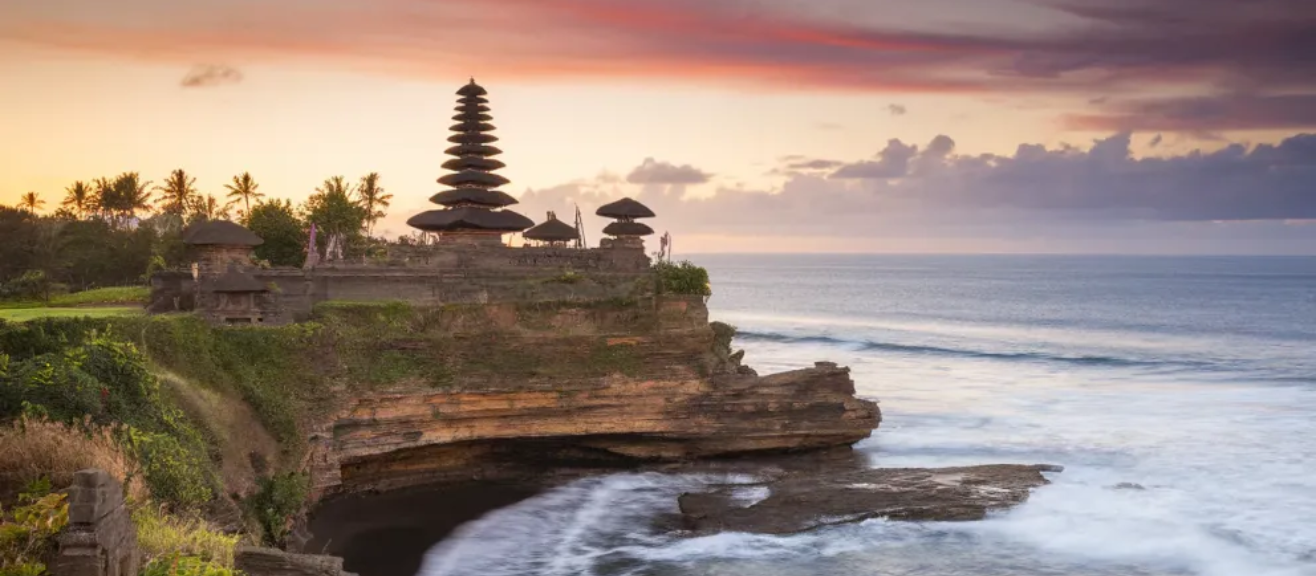
Set dramatically on a cliff overlooking the Indian Ocean. Uluwatu Temple is one of Bali’s most iconic sea temples. Visitors are immediately greeted by the sound of crashing waves and the calls of playful macaque monkeys that inhabit the area. This ancient temple dates back to the 10th century and offers a mix of spiritual significance, architectural beauty, and breathtaking sunset views. Exploring Uluwatu allows you to wander along rugged paths framed by the ocean breeze while absorbing the mystical atmosphere of a sacred site deeply rooted in Balinese culture.
Beyond its spiritual appeal, the temple’s location on a towering cliff provides unparalleled panoramic views, making it a photographer’s paradise. Activities include walking around the temple grounds, attending cultural performances, and observing local wildlife. Understanding how to get there, when to visit, and what to experience can help visitors make the most of their trip. This guide also includes practical advice, ticket details, and tips for enjoying must-see events like the Kecak Dance. Uluwatu is suitable for solo travelers, couples, families, and cultural enthusiasts alike, offering a balance of adventure and reflection.
💡 Pro Tip: Arrive early in the morning for a peaceful visit and stunning photography opportunities. Sunset is magical but crowded, so morning light is ideal for capturing the temple’s beauty.
📜 History
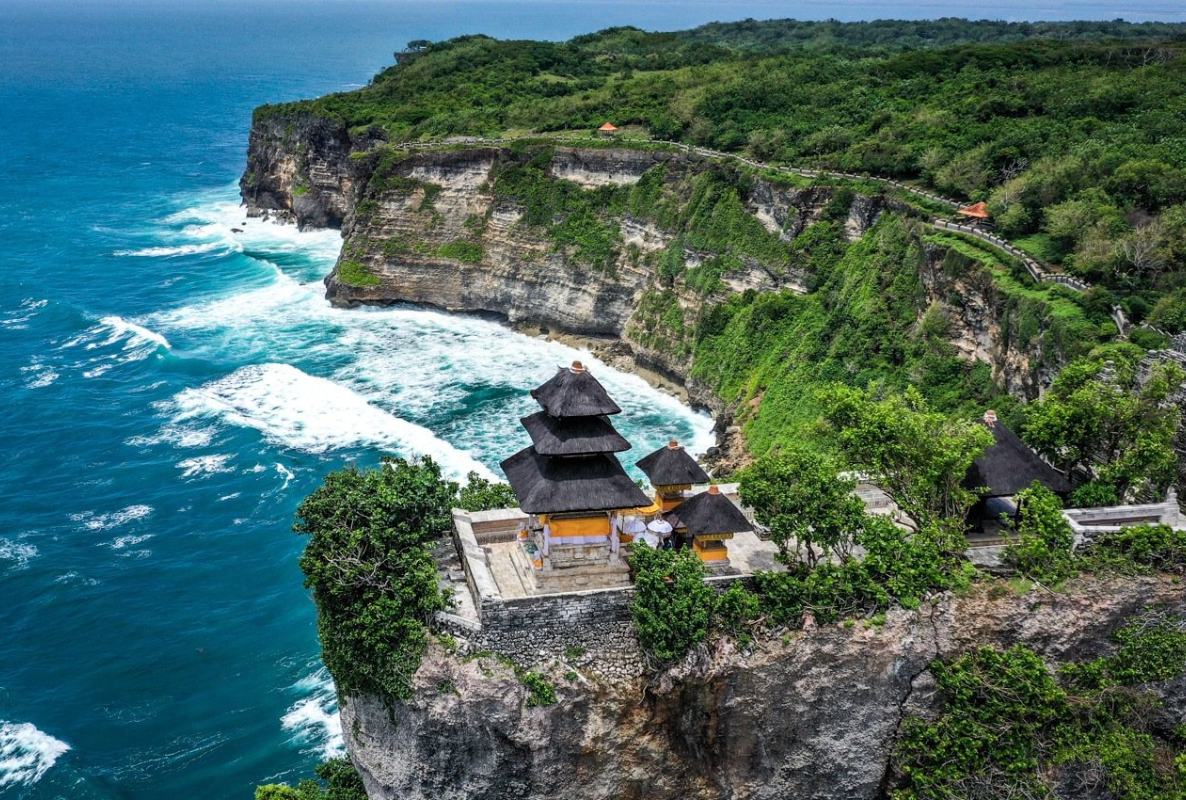
Uluwatu Temple was founded in the 10th century and represents an essential part of Bali’s early spiritual evolution. The Javanese sage Empu Kuturan laid the foundation and established practices that shaped Balinese Hinduism. Over the centuries, the temple underwent renovations and expansions under the guidance of different religious figures. One pivotal moment in its history was the arrival of Dang Hyang Nirartha, a revered Hindu sage who selected Uluwatu as his spiritual sanctuary. Legend says Nirartha came to Bali in search of enlightenment and chose the clifftop location for its spiritual energy. His presence enriched the temple’s sanctity and solidified its role in Bali’s cultural and spiritual tapestry.
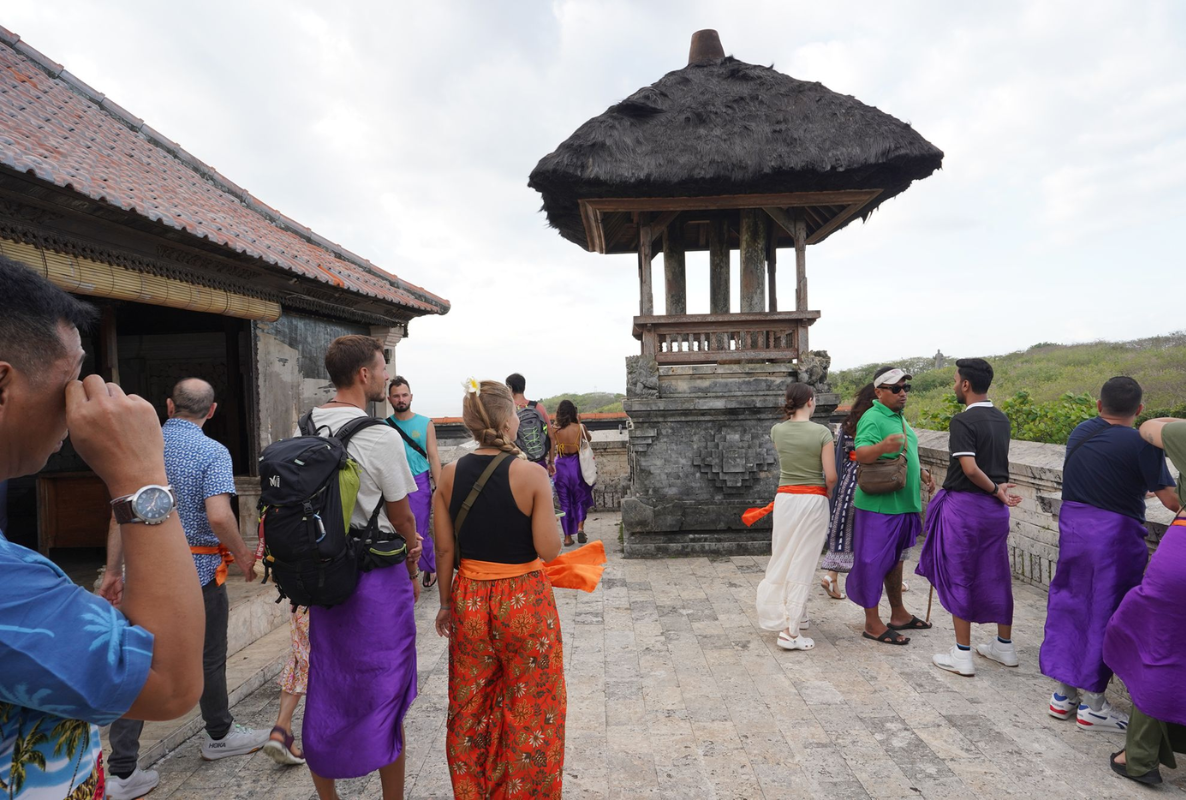
The temple’s architecture harmonizes with the natural cliff landscape, combining intricate carvings, traditional shrines, and panoramic ocean views. Each corner tells a story of devotion, meditation, and the historical journey of Balinese Hinduism. Learning about these legends and historical events deepens the appreciation of the temple beyond its visual appeal. Visitors often find themselves reflecting on the connection between nature, spirituality, and human artistry while walking along its sacred grounds.
💡 Pro Tip: Join a guided tour or read about Uluwatu’s history before your visit. Understanding the stories behind the temple enhances your experience and connects you more deeply with its spiritual significance.
☀️ Best Time to Visit Uluwatu Temple
The ideal time to visit Uluwatu Temple is during the dry season from April to October. During these months, sunny skies, warm temperatures, and minimal rainfall make exploring the clifftop paths comfortable and enjoyable. The temple becomes especially popular at sunset, offering dramatic views over the ocean as the sun dips below the horizon. However, visiting during peak hours can mean navigating crowds, so timing your trip is key. Avoid the rainy season from November to March, when slippery paths and heavy showers can disrupt your visit.
Additionally, Indonesian public holidays often bring large groups of tourists, which may detract from the serene atmosphere. Planning your visit with attention to the weather and local calendar ensures a more pleasant and safe experience. For photographers and culture lovers, arriving an hour before sunset provides the opportunity to capture the temple’s dramatic landscape and participate in the Kecak Dance performance without being rushed. Light jackets are advisable as the ocean breeze can feel cool near the cliffs, especially later in the day.
💡 Pro Tip: For the best experience, plan to arrive before sunset to secure a good viewing spot and enjoy the temple in a quieter, more relaxed atmosphere.
🚕 How to Get to Uluwatu Temple
Uluwatu Temple is approximately 45 minutes from Ngurah Rai International Airport and around one hour from Kuta, Bali’s popular beach town. Public transportation options are limited, so taxis or rideshare apps are the most convenient for most visitors. Adventurous travelers may choose to rent scooters, which offer flexibility but require caution due to narrow and busy roads. Families or visitors with luggage often find private transfers or hotel shuttles more comfortable and convenient.
Depending on your schedule, combining a temple visit with nearby beaches or cultural attractions can create a full day of exploration. Many tours also include Uluwatu as part of a cultural or sunset itinerary, providing added convenience for travelers. While transportation is straightforward, planning ahead ensures a smoother experience, especially during peak tourist season or holiday periods. Choosing the right mode of transport allows visitors to enjoy the temple without stress and maximize their time exploring the scenic surroundings.
💡 Pro Tip: Renting a scooter offers freedom but always wear a helmet and drive carefully. For a stress-free journey, hiring a private driver is affordable and provides local knowledge of traffic patterns.
⏰ Opening Hours & Best Times to Arrive
Uluwatu Temple is open daily from 7:00 AM to 7:00 PM . Arriving early in the morning helps avoid crowds and enjoy peaceful temple grounds. Sunset hours are magical but busy, so plan accordingly to capture scenic photos without the crowd. Note that hours can vary slightly on Indonesian holidays or special events.
| Day | Opening Hours |
|---|---|
| Monday.Sunday | 7:00 AM . 7:00 PM |
💡 Pro Tip: If you want to avoid crowds and scorching midday heat, mornings are best. However, if you want the full experience with the sunset and Kecak Dance, plan your visit between 4 PM and 7 PM.
🎢 Top Things to Do Inside Uluwatu Temple
🏞️ Temple Grounds & Clifftop Views
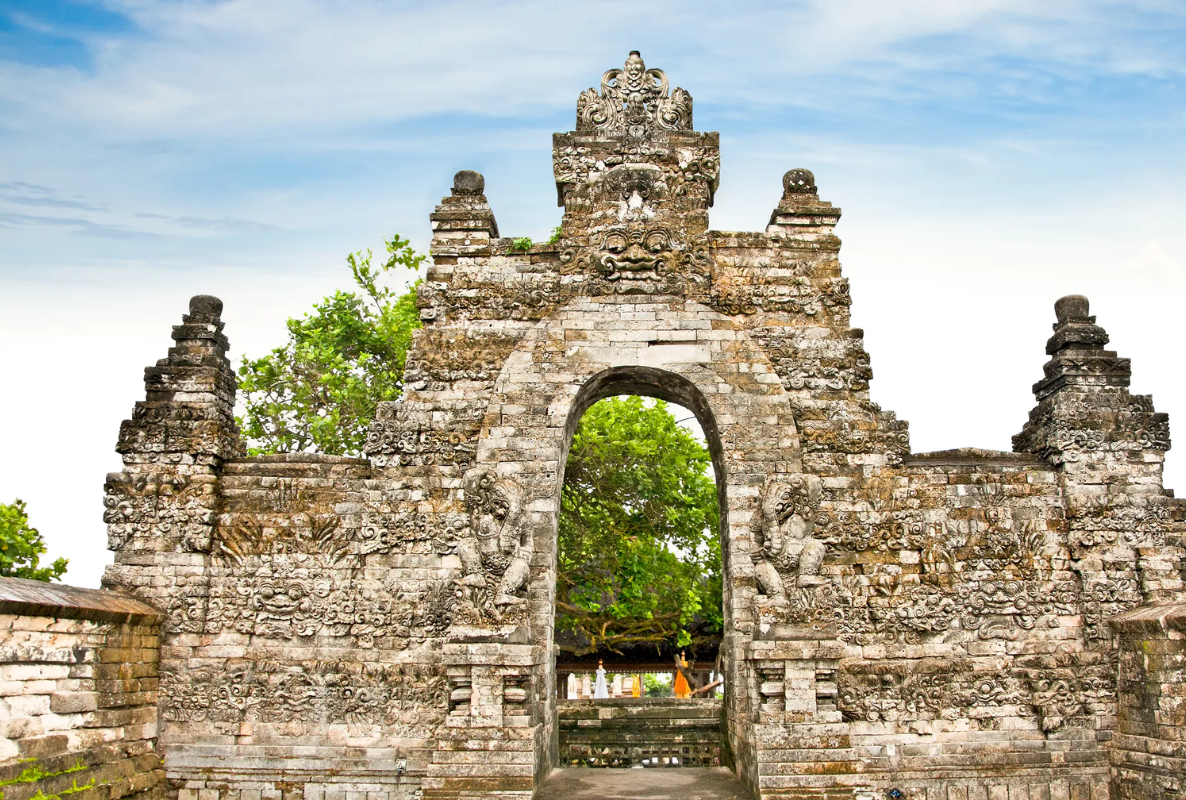
Wander along the sacred temple grounds, where ancient stone carvings and traditional architecture blend with breathtaking panoramic views of the Indian Ocean. Feel the ocean breeze and hear the distant crashing waves as you explore this spiritual sanctuary. A true feast for photographers and culture lovers alike.
🔥 Kecak Dance Performance
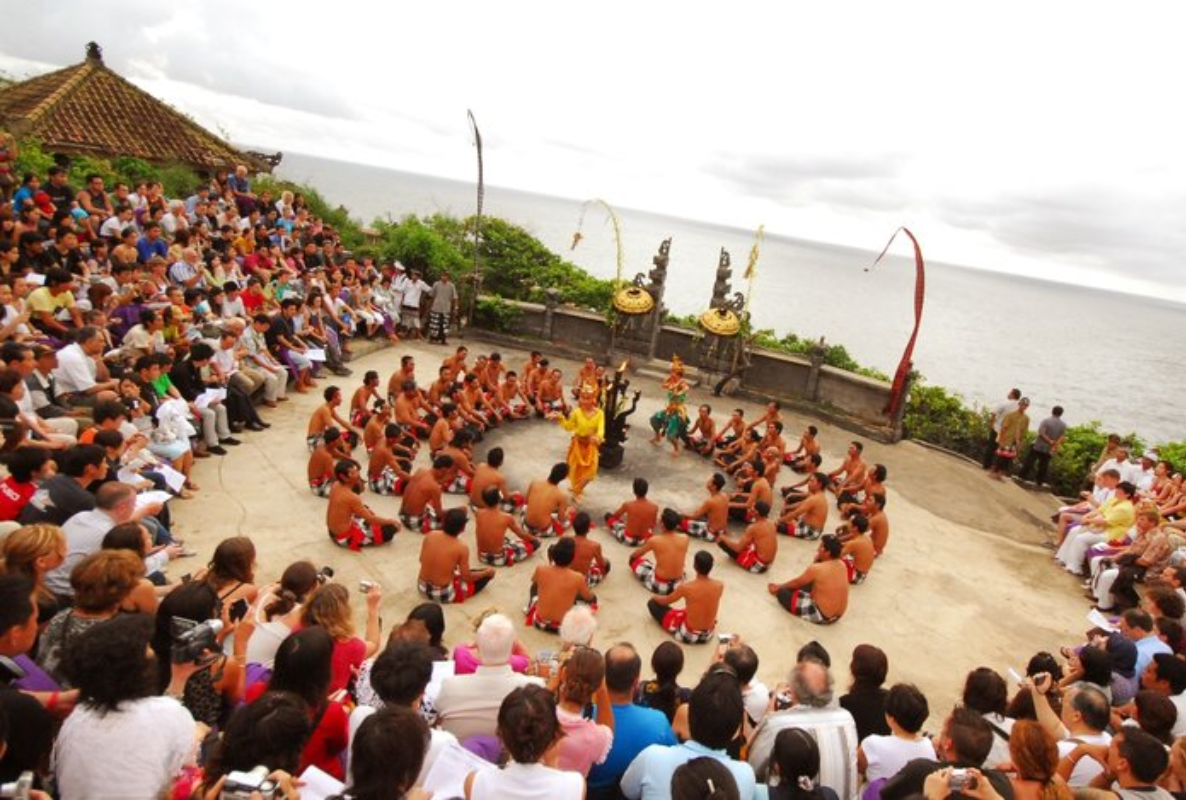
Experience the mesmerizing Kecak Dance held at sunset daily. A captivating Balinese storytelling dance featuring a chorus of chanting men creating hypnotic rhythms without musical instruments. This dramatic performance narrates the Ramayana epic, climaxing with Hanoman’s fiery battle scene against the demon king Rahwana, all set against the stunning cliffside and glowing sunset. Ideal for all visitors craving cultural immersion.
🐒 Macaque Watching
Enjoy observing (and being entertained by) the playful macaque monkeys that inhabit the temple area. These mischievous creatures are known to interact with visitors, so keep belongings secure but delight in their lively antics as part of the temple experience.
💡 Pro Tip: Keep your camera ready because there’s a great photo opportunity with the sunset and dancers, but stay clear of the monkeys who might steal small items.
🍽️ Food & Drink Options at Uluwatu Temple
🐟 Ikan Bakar Jimbaran (Jimbaran.style Grilled Fish)
Fresh seafood is grilled over smoldering coconut shells, flavored with a subtle smoky aroma and served with spicy sambal matah, a raw shallot and chili relish that adds a fiery kick. This dish embodies the coastal flavors of Bali’s famed fishing village, Jimbaran.
🦆 Bebek Betutu
A ceremonial dish turned local favorite. This duck is marinated with rich betutu spices, wrapped in banana leaves, and slow.cooked in an underground pit for up to 12 hours to tender, flavorful perfection. It’s a must.try for anyone looking to experience authentic Balinese cuisine.
🍖 Babi Guling (Balinese Suckling Pig Roast)
This iconic Balinese feast involves roasting a whole pig stuffed with a lively mix of aromatic spices including turmeric, ginger, garlic, and lemongrass until the skin is perfectly crispy and the meat juicy and fragrant. It represents celebration and communal dining in Balinese culture.
🍚 Nasi Campur Bali (Balinese Mixed Rice)
A colorful plate of steamed rice surrounded by an assortment of small side dishes, such as spiced meats, vegetables, sambal, and sometimes eggs or tofu. This dish showcases the harmonious blend of flavors and textures that define Balinese home cooking.
💡 Pro Tip: Try these dishes at nearby warungs for authentic taste and affordable prices, and embrace local flavors as part of your cultural experience.

🎟️ Ticket Tips & Visitor Info
Visiting Uluwatu Temple in 2025 typically costs around IDR 50,000 (approximately USD 3.4) for international adults. Indonesian adults pay roughly IDR 30,000, while child tickets range from IDR 20,000 to 30,000 depending on nationality. Parking fees are minimal, about IDR 5,000 for cars and IDR 2,000 for scooters.
Tickets are sold only at the gate, mostly payable in cash (Indonesian Rupiah), so bringing enough local currency is essential. Re-entry on the same day is generally allowed if you notify staff at exit. The ticket grants access to temple grounds and clifftop paths. The famous Kecak Dance show nearby requires a separate ticket, which is best booked online in advance for convenience.
💡 Pro Tip: Arrive early to beat the crowds, have cash ready for tickets, and pre.book Kecak Dance tickets through laimi.com for a hassle.free experience.
👨👩👧 Who Is It Best For?
Uluwatu Temple is ideal for culture enthusiasts, photographers, and nature lovers. Families with children or elderly members should consider timing and physical demands, as some paths involve stairs and uneven terrain. Visitors seeking adventure will enjoy the dramatic cliffs and ocean vistas, while those interested in spiritual reflection will find quiet corners for contemplation. Crowds vary depending on time of day, so planning early morning or late afternoon visits enhances comfort. The open-air environment makes it suitable for most age groups, while the cultural performances add an engaging element for all visitors.
💡 Pro Tip: Travel with children or seniors during quieter hours, wear comfortable shoes, and stay hydrated to ensure a safe and enjoyable visit.

🎒 Things to Know Before You Go
When visiting any temple in Bali, including Uluwatu Temple, both men and women are required to wear a “sarong, shoulder sash, or cloth tied around the waist.” The temple provides these sarongs and sashes free of charge for visitors during their stay. Please avoid taking photos of people while they are praying to respect their privacy and spiritual practice.
Do not step over or on offerings. Small packages called “canang sari” are often placed on the ground. These are intricately woven palm leaf boxes filled with flower petals, money, and snacks meant to appease the spirits, so be cautious while walking around. Always maintain a respectful and humble demeanor while at the temple that avoid loud talking, laughing, or shouting, which can disturb the sacred atmosphere.
💡 Pro Tip: Even if the temptation strikes to capture every moment, take time to immerse yourself quietly in the spiritual atmosphere. Observe local customs sincerely. It enhances your experience and shows respect to Balinese culture.
🏁 Final Thought
Uluwatu Temple offers a stunning blend of dramatic natural beauty, rich cultural heritage, and spiritual tranquility. Although crowds and heat can sometimes be challenging, planning your visit carefully ensures a rewarding experience. Pairing the temple with other nearby Bali attractions can create a full and memorable day of exploration. By arranging tickets and transportation in advance, you can move through the site with ease, enjoy the breathtaking sunset, and fully appreciate the temple’s serene atmosphere. Uluwatu remains an essential destination for anyone seeking to experience the heart of Bali’s cultural and natural wonders.
💡 Pro Tip: Secure your tickets and plan transportation ahead through laimi.com to enjoy the temple at your own pace, especially for sunset and the Kecak Dance performance.