🕯️ A-Ma Temple: Where Legend and Faith Come Alive
🏯 A Gentle Introduction to A Ma Temple in Macau
Stepping into A Ma Temple in Macau feels like walking into a pocket of incense scented calm, where spirals of smoke curl toward weathered granite rocks and the soft clang of bells blends with murmured prayers and birdsong.
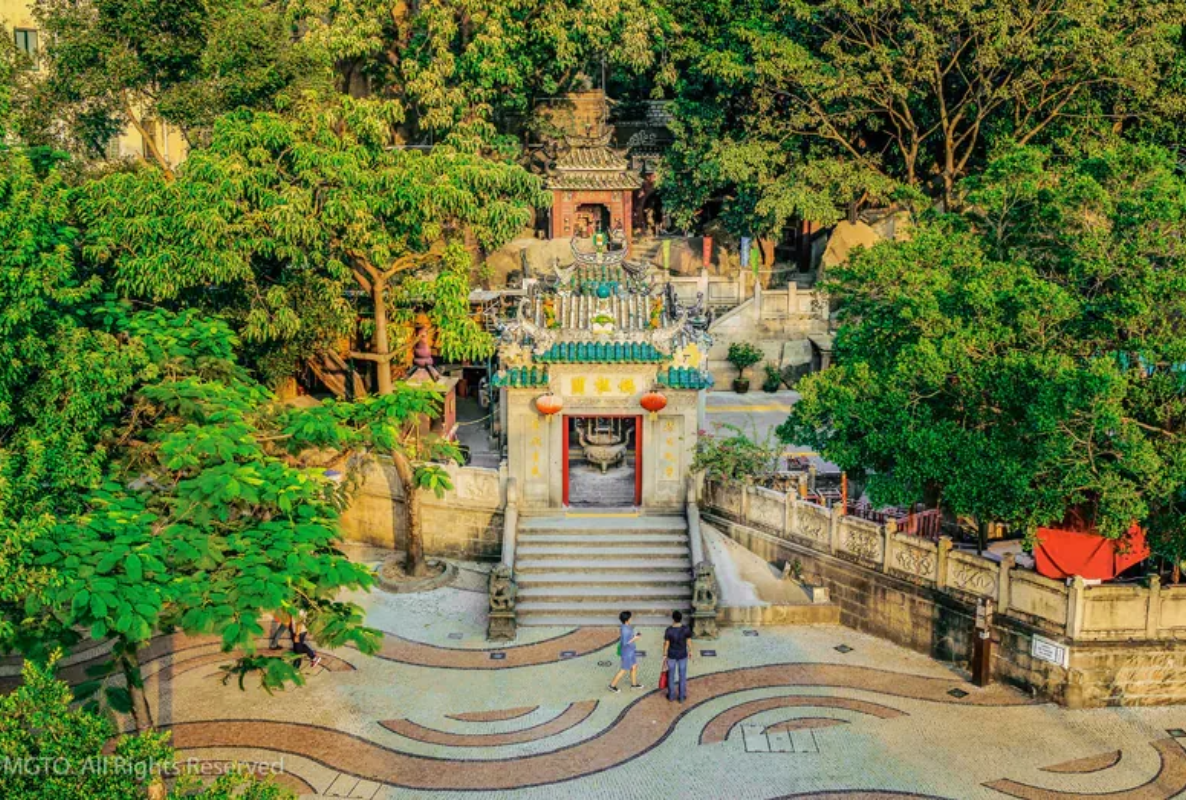
The temple clings to the slope of Barra Hill, with red lanterns, carved stone lions and pavilions layered up the hillside, making it one of the most iconic things to do in Macau for anyone curious about local culture and spirituality.
As the oldest temple in the city and part of the UNESCO historic centre, visiting A Ma Temple is not just sightseeing it is stepping into the story of how Macau began.
In this guide, you will find how to get there, best time to visit, practical tips, what to see inside, local food nearby and essential visitor notes to make the most of your A Ma Temple experience.
Get your A Ma Temple tickets on laimi.com.
🏛️ Origins And Legend Of A Ma Temple
A Ma Temple is not only the oldest temple in Macau, it is also the spiritual place where the city’s story begins. Thought to date back to 1488 in the Ming dynasty, it was built on the slopes of Barra Hill overlooking the sea, at a time when Macau was just a small coastal settlement shaped by fishermen and traders. Dedicated to Mazu the sea goddess, the temple reflects how local communities depended on divine protection for safe voyages and prosperous trade along the Maritime Silk Road.
The famous origin story of Macau’s name is tied to this temple. When the Portuguese first landed near this bay, they asked locals for the name of the place. The villagers, thinking they were asking about the temple, answered “Ma Ge” or “A Ma Gau” meaning Pavilion or Bay of A Ma, which the Portuguese turned into “Macau”. Over the centuries the temple complex expanded into the six hall layout you see today, with stone lions, carved rocks and layered pavilions, and in 2005 it was recognised as part of the UNESCO listed Historic Centre of Macau. This mix of legend, maritime history and living worship is what makes A Ma Temple feel so special and memorable for visitors.
🚇 How to Get to A-Ma Temple
A-Ma Temple sits at the southwestern tip of the Macau Peninsula, close to Barra Square and the Inner Harbor, making it easy to reach.
From Macau Ferry Terminal or City Center: Bus numbers 10, 10A, 11, 21A, 26A, 28B go directly to the A-Ma Temple/Barra stop - rides are 20–25 minutes.
From Cotai or Taipa: Take bus MT4 or 26A (about 25–30 minutes).
From Senado Square: Hop on bus 18, 21A, or 26A (about 10–15 minutes).
By Taxi: Taxi from most city hotels or casinos takes 10–20 minutes (use “A-Ma Gok Miu” for directions in Cantonese).
⏰ Opening Hours & Best Times to Arrive
A-Ma Temple welcomes visitors daily - timing your arrival transforms your experience.
| Day | Opening Hours |
|---|---|
| Monday–Sunday | 7:00 AM – 6:00 PM |
Try to arrive before 10:00 AM to enjoy a quieter, more peaceful atmosphere and to take photos with ease.
The late afternoon offers a beautiful setting, with warm light casting over the pavilions and the chance to observe traditional rituals. During festive periods such as Chinese New Year or the A-Ma Festival, the temple becomes vibrant and lively. It is perfect for visitors who enjoy cultural celebrations, though it is best to plan ahead.
For ticket details or live updates on ceremonies, you can visit the ticket page on laimi.com or check the temple’s official channel.
🎢 Unmissable Experiences Inside A Ma Temple
Exploring A Ma Temple is less about rides and more about layers of symbolism and atmosphere, but there are still clear must see experiences inside the complex.
These are the core things to do in A Ma Temple if you want to feel its history rather than just snap a quick photo.
Gate Pavilion
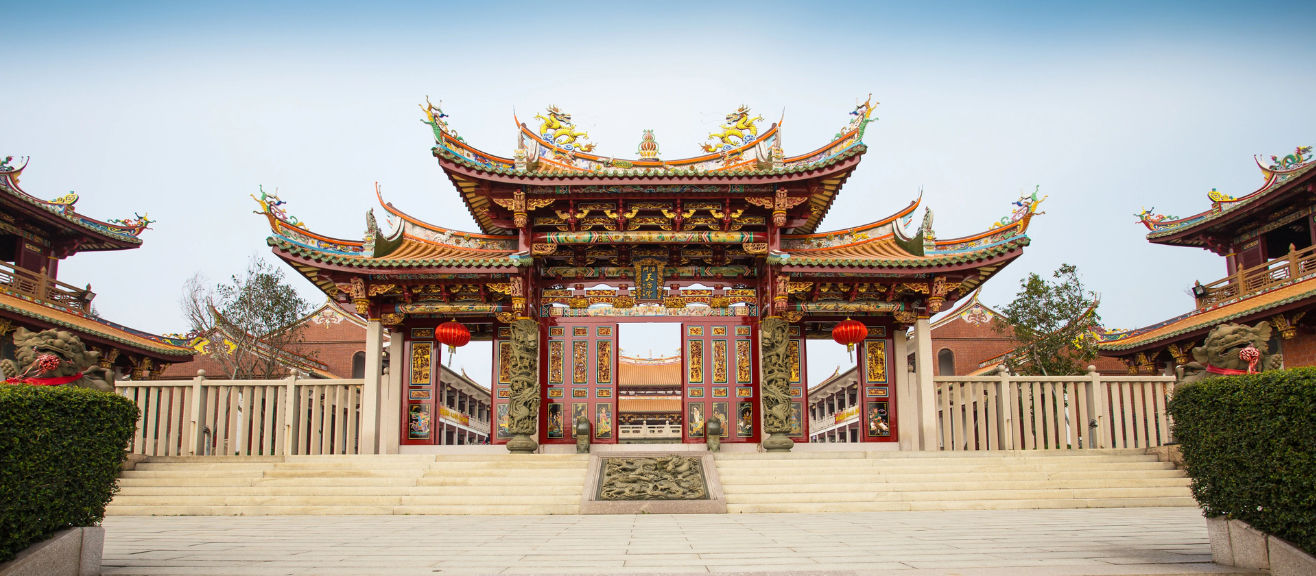
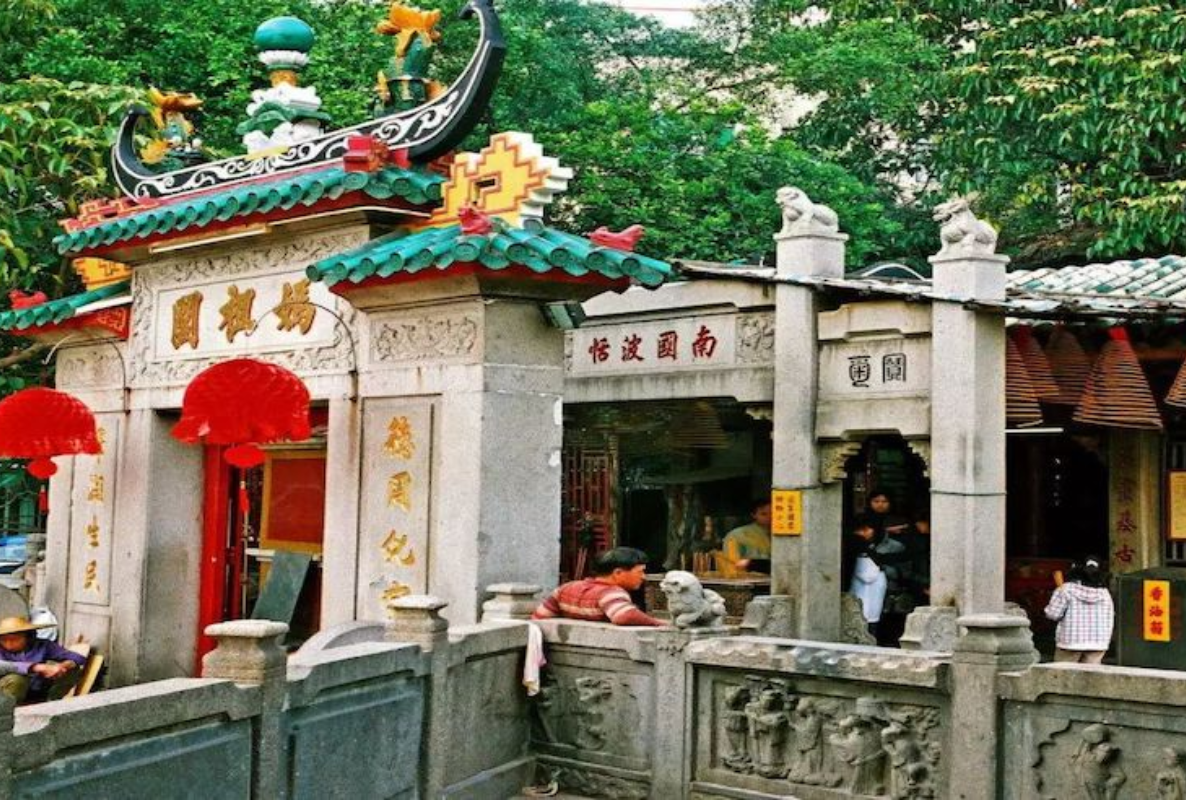
Marvel at the dragon-embellished entrance, usually bathed in incense haze. Locals pause here to bow, light joss sticks, and snap memorable group shots.
Hongren Hall And Mazu Shrine
Hongren Hall is believed to be the oldest part of the complex and houses a statue of Mazu, the goddess of the sea who has protected fishermen and sailors for centuries. Inside, coils of incense hang overhead, flickering candlelight bounces off gilded carvings and locals move quietly as they place offerings of fruit and burn joss paper. Even if you are not religious, standing here gives a powerful sense of continuity between Macau’s maritime past and the ships and ferries that still glide by the nearby harbour today.
Hall Of Benevolence And Guanyin Hall
The temple’s spiritual heart - with its 15th-century altar and ancient goddess statue - is alive with prayers and offerings. The aroma of incense is strongest here, and the soundscape is often a rhythmic blend of murmured wishes and ritual percussion.
Hall of Justice & Maritime Pavilion
These sections honor Macau’s seafaring ancestors. Lanterns dangle overhead, and fortune-telling is sometimes seen here.
💡 Pro Tip: Arrive early in the morning if you want quieter photos and a calmer experience, then work your way slowly from lower halls to upper viewpoints to avoid retracing your steps. If you enjoy audio storytelling, consider downloading an audio guide or joining a cultural walking tour that includes A Ma Temple to add context to what you are seeing.
🍽️ Local Food And Eating Near A Ma Temple
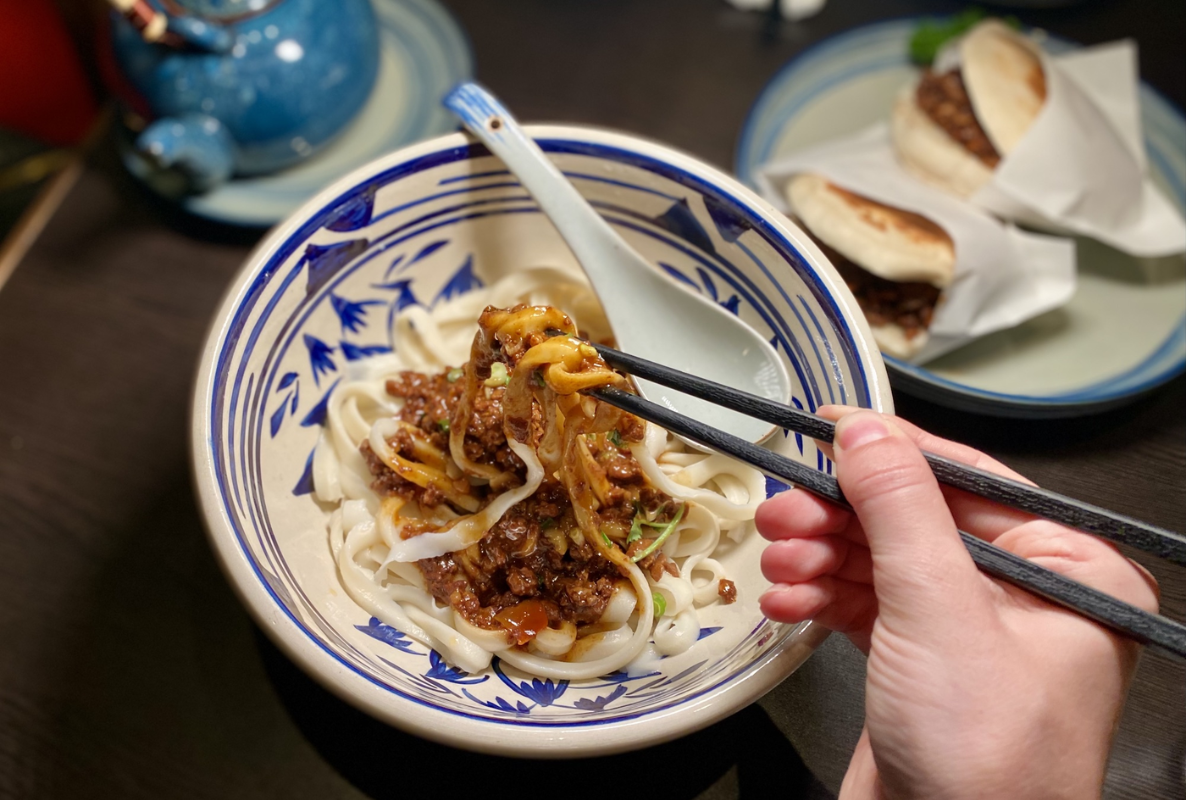
While A Ma Temple itself is a place of worship rather than a food court, the surrounding Barra and inner harbour area gives you an excellent taste of everyday Macau. After exploring the courtyards and halls, you can wander a few minutes out to nearby streets where small eateries and snack shops serve the flavours locals grow up with.
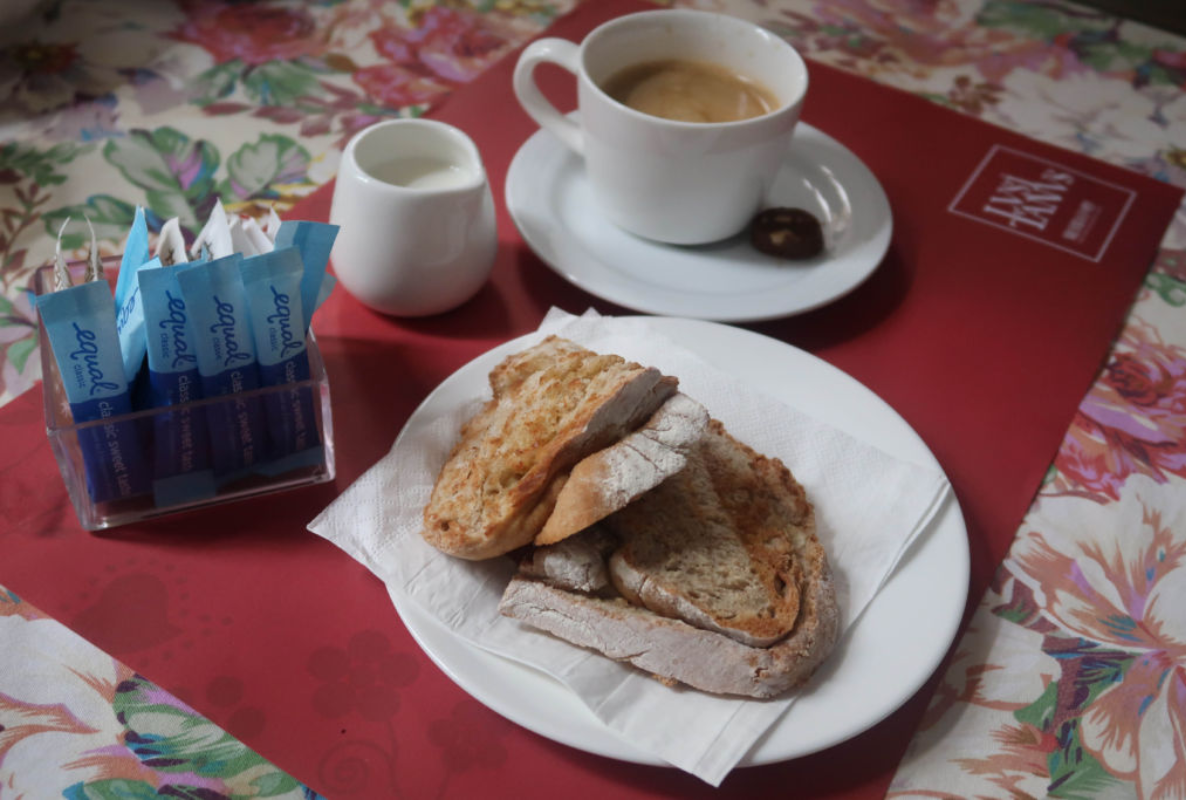
Look out for traditional Macanese and Cantonese spots offering comforting bowls of noodle soup with wontons or beef brisket, perfect after walking up and down the rocky paths. Simple cha chaan teng style cafés nearby serve milk tea, toasted sandwiches and baked goods that make a relaxed mid morning or mid afternoon break between temple visits and waterfront strolls. You may also find street side vendors selling classics that Macau is known for, such as freshly baked egg tarts, almond cookies or pork chop buns, which are easy to grab and eat as you walk.
For seafood, the harbour area around Barra has long ties to the fishing community, so keep an eye out for casual restaurants where locals gather for steamed fish, clams and stir fried dishes in the evening. These spots are less polished than casinos or malls but offer a far more authentic taste of daily life, especially if you are willing to point at dishes other tables are enjoying and try something new.
💡 Pro Tip: Aim to eat slightly earlier than the local lunch or dinner rush if you prefer a quieter atmosphere and faster service in small family run places. Carry some cash as not every tiny shop accepts international cards, and do not be afraid to ask for a simple recommendation if the menu is only in Chinese.
🎟️ Ticket Tips & Visitor Info
A-Ma Temple itself does not require an entry ticket and is open to the public for worship and sightseeing.
For special festival days or guided tours, book in advance via laimi.com.
Entry process is simple: walk in, be respectful to worshippers, and ask before taking close-up photos.
ID isn’t needed for temple access. Some nearby museums (like Maritime Museum) require entry tickets and may check ID.
Strollers are permitted but temple paths are uneven; families should take care on stone stairs.
💡 Pro Tips: Visit on weekday mornings to enjoy the temple with fewer crowds. During major festivals, expect long lines and lively ceremonies.
👨👩👧 Who Will Love A Visit To A Ma Temple
If you are drawn to culture, history, photography or quiet spiritual places, A Ma Temple will probably be one of your favourite stops in Macau. Families with older children can turn it into a gentle lesson about how seafarers once relied on Mazu before heading out to sea, while couples and solo travellers often appreciate the calm contrast to the city’s glittering casinos.
As someone who might not usually prioritize temples, you may still find plenty to enjoy here because the complex feels like a series of small discoveries rather than a single overwhelming hall. The steps and rocky paths mean it can be a bit challenging for visitors with very limited mobility, but the lower courtyard areas are more accessible, and there are usually clear paths for strollers. Signage often includes Chinese and Portuguese with some English, which helps first-time visitors make sense of what they are seeing without needing a guide for every detail.
🎒 Key Tips Before You Go
Be respectful of local customs - move quietly in halls with worshippers and avoid flash photography.
Pack a reusable water bottle; the hillside location gets humid, and there is modest shade.
Some incense is free, but donations are appreciated if you want to light sticks or write wishes.
Bring small change for street snacks, donations, or souvenirs.
💡 Pro Tips: If you want a fortune reading, ask staff (or a friendly local for translation) near the main altar. For a smoother visit, map your route from hotel to A-Ma Temple the day before.
🏁 Wrapping Up Your Time At A Ma Temple
A visit to A Ma Temple stays with you for its quiet, sacred atmosphere, the swirl of incense, the soft sea breeze, and the feeling of watching living tradition unfold in front of you.
It can get busy and a bit tiring on the steps, but the deep sense of history and connection to Macau’s roots makes it absolutely worth a spot on your itinerary. For an easy, smooth experience, do not forget to check updated information and secure your A Ma Temple tickets and related services on laimi.com before you go.