Explore the Timeless Charm of Gion District: Kyoto’s Iconic Geisha Quarter
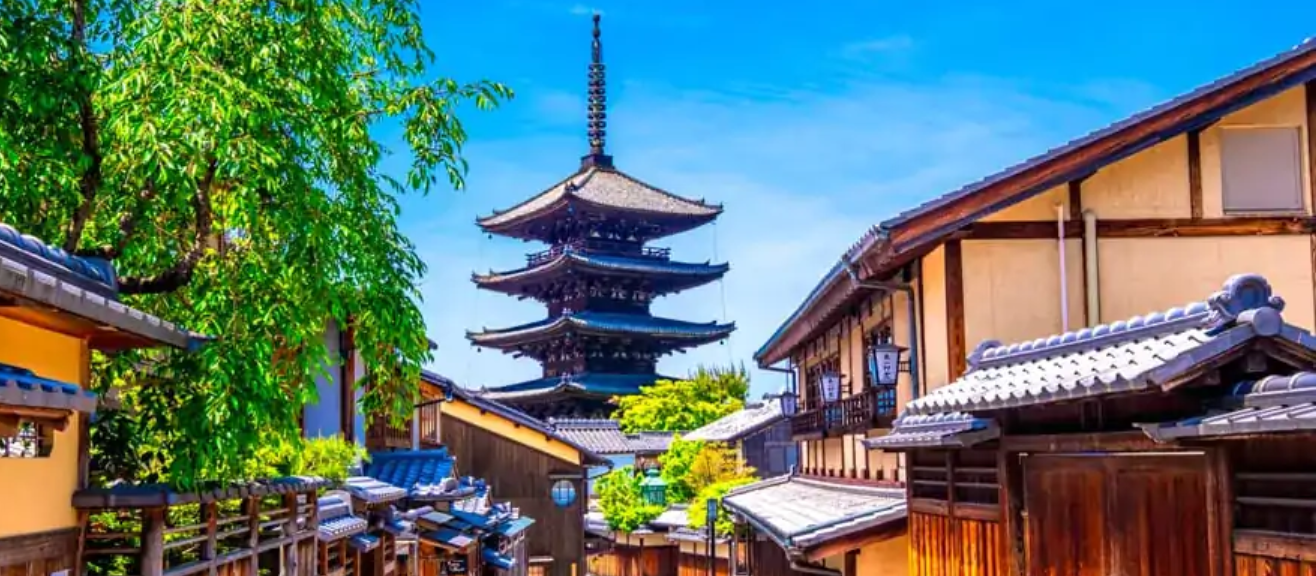
Gion District in Kyoto is a place where tradition and culture come to life, offering visitors a magical glimpse into Japan’s historical soul. Imagine wandering through narrow, lantern-lit streets lined with beautifully preserved wooden machiya houses, the soft sound of wooden geta shoes clicking on cobblestones, and the delicate rustle of kimono fabric as geiko and maiko, Kyoto’s geisha and apprentice geisha, move gracefully. Gion is world-renowned as the heart of traditional geisha culture, combining centuries-old architecture with an atmospheric blend of old-world charm and vibrant cultural experiences. In this comprehensive guide, you’ll learn about Gion’s rich history, how to reach it, the best times to visit, top experiences, and where to savor authentic local cuisine. Get your Gion District tickets on laimi.com for an authentic Kyoto adventure.
🏯 Historical Background of Gion
Gion’s story began in the late 14th century, centered around the Yasaka Shrine, established during the Heian period to protect Kyoto from disease and disasters. The district prospered as a hub for travelers and pilgrims and evolved during the Edo period into a cultural and entertainment center. Hanamachi, the geisha neighborhoods, flourished then, where elegant geiko and maiko performed arts are still cherished today. Despite modernization, Gion retains its cobblestone streets, wooden merchant houses, and significant role in preserving traditional Japanese arts and tea ceremonies.
🚆 Transport Options for Reaching Gion District in Kyoto
The Gion District is situated in the Higashiyama ward of Kyoto, nestled between the serene Kamo River on one side and the historic Yasaka Shrine on the other. The district stretches along Shijo Street, which serves as its northern boundary, extending down towards Kenninji Temple in the south.
By Train:
The most convenient stations to access Gion are Gion-Shijo Station on the Keihan Line and Kyoto-Kawaramachi Station on the Hankyu Kyoto Line. Both stations are within an easy walking distance of the district. From these stations, it takes only a few minutes to stroll to the heart of Gion.
By Bus:
Several Kyoto city bus routes serve the Gion area, including routes numbered 100 and 206. Bus stops to look out for include Gion, Gion-Higashi, and Yasaka-jinja-mae. Traveling by bus from central points such as Kyoto Station generally takes about 20 minutes.
By Taxi or Rideshare:
If you prefer a more direct and comfortable journey, taxis and rideshare services are readily available. Traveling from Kyoto Station to Gion usually costs between 970 and 1200 yen and takes under 15 minutes, depending on traffic conditions.
By Bicycle:
Kyoto is a bike-friendly city, and cycling to or around Gion offers flexibility to explore at a leisurely pace. However, bicycle parking in the area is limited and requires using designated parking spots. Walking remains the most practical way to explore Gion's narrow alleys and historic streets.
With numerous options to suit different traveler preferences and budgets, getting to Gion District is straightforward, ensuring you can enjoy Kyoto’s cultural heart with ease. For detailed transit information and accommodation options near Gion, check laimi.com for updated travel resources and guides.
⏰ Opening Hours & Best Times to Arrive at Gion District
Gion District is open 24 hours a day, offering visitors flexibility to explore both day and night. Shops, restaurants, and teahouses usually welcome guests from 9 in the morning until about 9 at night, though exact hours may vary depending on the season and business. Timing your visit can greatly influence your experience; evenings bring a magical lantern-lit atmosphere, while daytime buzzes with lively activity.
| Time of Day | Hours | Notes |
|---|---|---|
| Daytime | 9:00 a.m. – 9:00 p.m. | Shops and dining open |
| Evening | After 9:00 p.m. | Streets peaceful, great for walks |
| Other hours | Open 24 hours | Public streets accessible |
🎉 Best Visit Seasons and Events
The ideal time to visit Gion District is late afternoon to early evening, from 4 p.m. to 9 p.m., when the glow from lanterns enhances its enchanting streets and the chances of seeing geiko or maiko increase. Spring and autumn offer comfortable temperatures and beautiful seasonal foliage, perfect for exploring outdoors. Summer may bring heat and humidity, while winter tends to be quieter but colder. To avoid crowds, try to skip major public holidays or peak festival times unless you want to be part of the vibrant celebrations.
Key cultural events include the famous Gion Matsuri in July, featuring traditional parades and grand festivities. Another highlight is the Hanatoro festival in March, when thousands of lanterns are lit along the streets, creating a romantic ambiance. Monthly tea ceremonies and performances at local teahouses provide immersive cultural experiences throughout the year.
For a month-by-month breakdown, explore our full guide on the best time to visit Kyoto. To avoid busy periods in Japan, consult the public holiday calendar. Staying informed about these will help you plan a smooth, enjoyable visit.
You can always check the official ticket page and local apps for live updates on opening times and event schedules, helping you make the most of your trip.
🎨 Highlights of Things to Do in Gion District
1. Admire Traditional Japanese Architecture
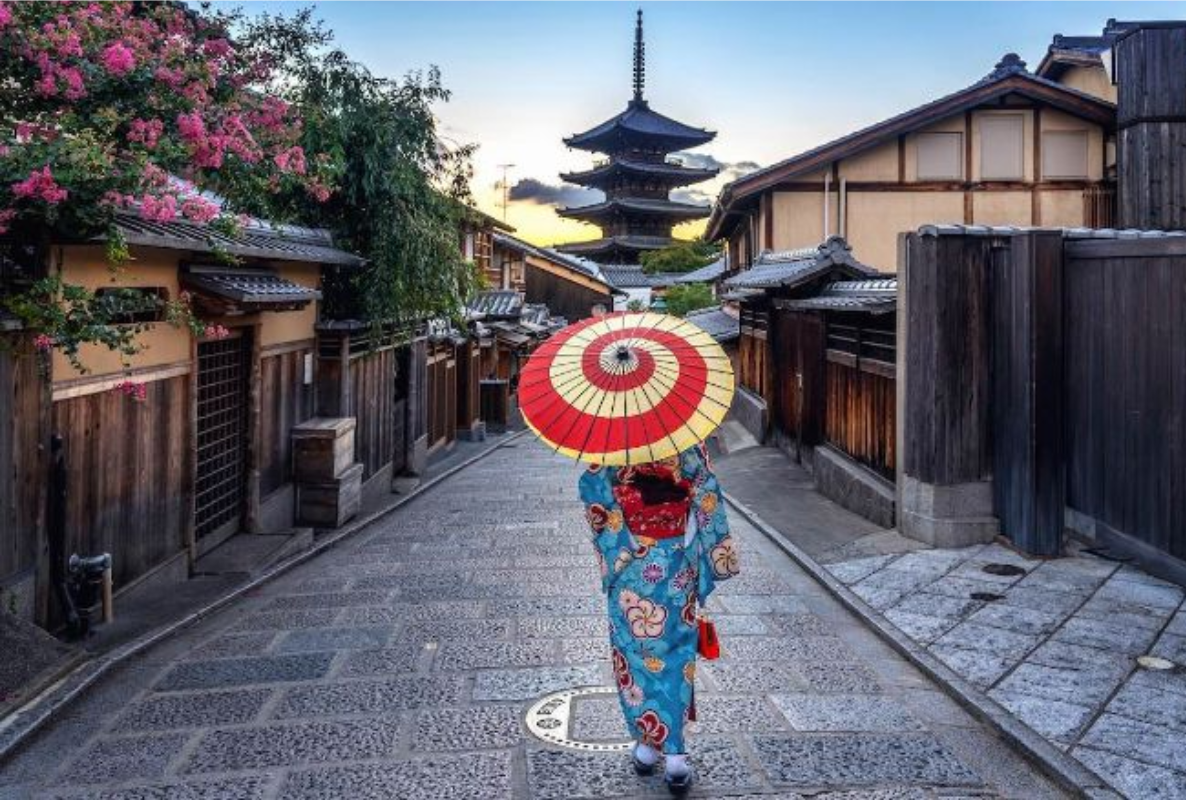
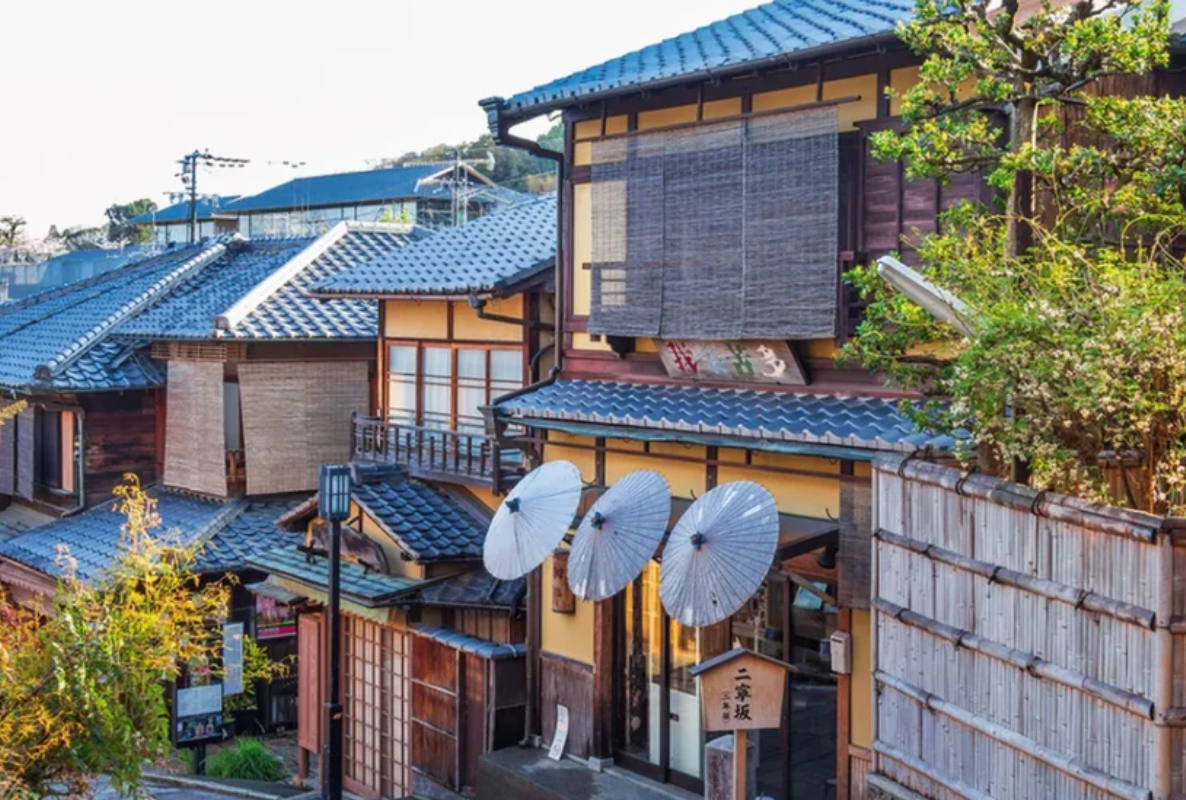
Nestled between Yasaka Shrine and the Kamo River, Gion preserves a timeless atmosphere with classic wooden machiya houses along Shijo Avenue, often called "Geisha Street." Strolling down Hanamikoji Street, lined with preserved shops, wagashi confectioneries, and kaiseki restaurants, visitors step back in time, absorbing the delicate details and historical charm. Spotting a geiko or maiko passing by in their exquisite kimono adds a magical touch.
2. Experience Unique Traditional Arts
Gion is home to refined performances showcasing Japan’s cultural elegance. Minamiza Theatre hosts beautiful plays featuring geiko and maiko. At Gion Corner, visitors enjoy a variety of arts including tea ceremonies, ikebana flower arranging, comedic Kyogen plays, and Maiko dances. The district also celebrates bunraku, a UNESCO-recognized puppet theater, offering cultural depth. In April, the Miyako Odori dance performances by Maiko captivate audiences daily.
3. Visit Tatsumi Daimyo-jin Shrine.
Located along Shinbashi Street, this small sacred shrine is cherished by geisha and Maiko who come here to pray for luck and artistic success. The quiet charm of Shinbashi complements Gion’s bustling streets, offering a glimpse into spiritual traditions.
4. Enjoy Gion’s Culinary Scene
From humble okonomiyaki stalls to elegant riverside restaurants, Gion’s food offerings reflect Kyoto’s refined tastes. Narrow alleys house unique grilled dishes and specialty eateries that provide authentic local flavors, enriching the overall visit.
5. Participate in Traditional Festivals
Spring’s cherry blossoms transform Yasaka and surrounding Gion streets into dreamlike scenes during Hanatoro. July brings the exuberant Gion Matsuri with grand parades of towering floats, street stalls, and lively celebrations tracing back to 869 AD, showcasing centuries of history and community spirit.
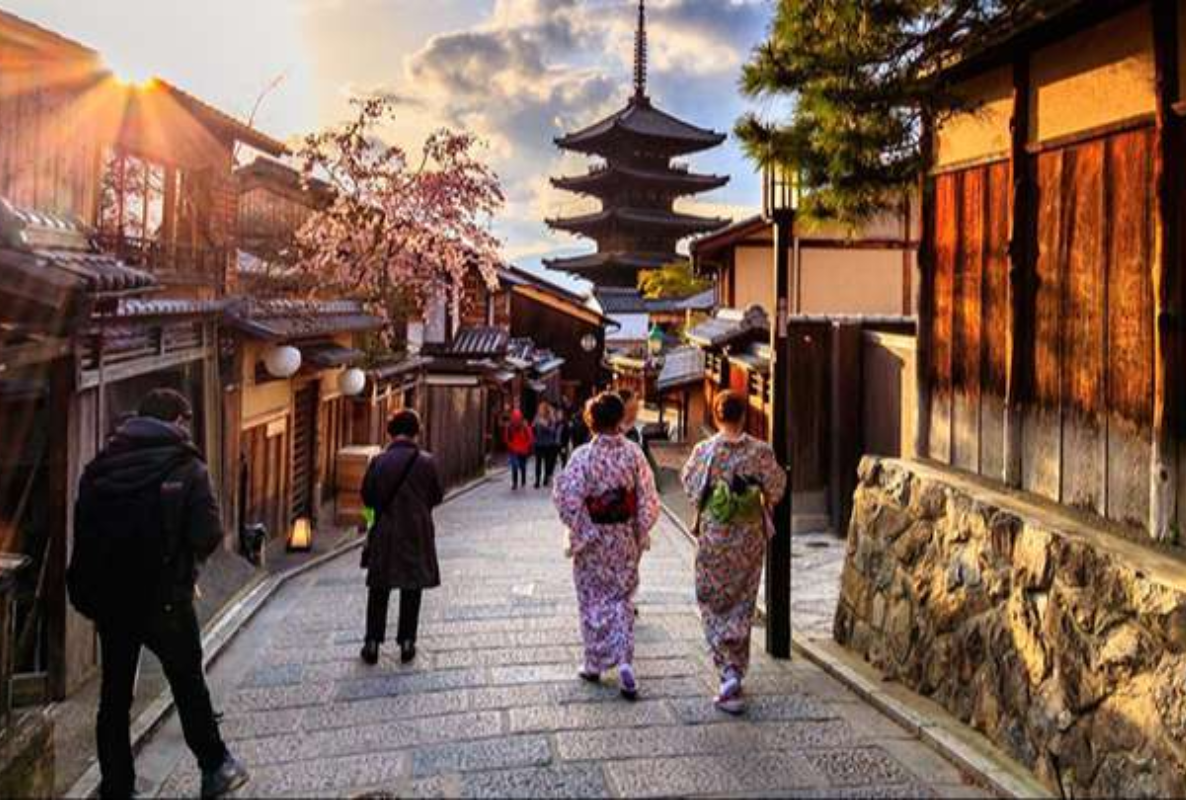
Each highlight invites deeper appreciation of Kyoto’s heritage beyond tourist snapshots, encouraging slow, mindful exploration filled with beauty and tradition.
🍽️ Food & Drink Options at Gion District
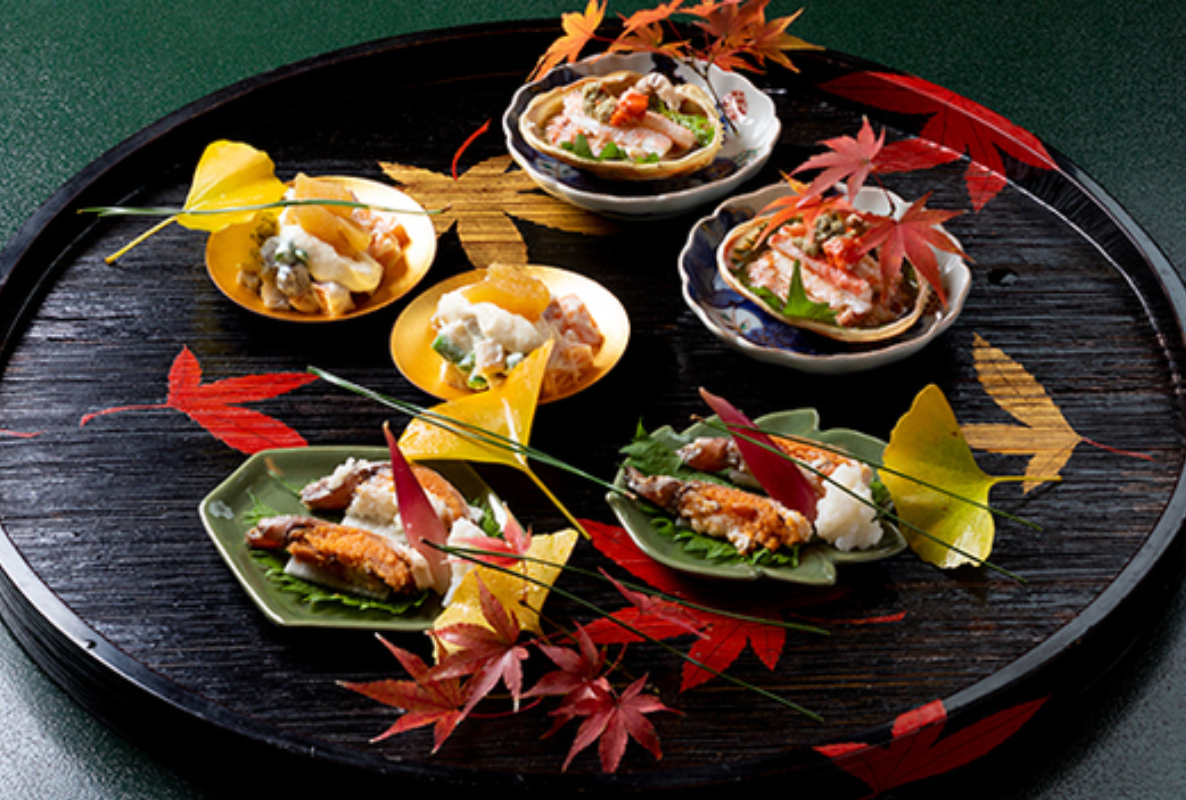
Dining in Gion District is a journey through Kyoto’s rich culinary heritage, where traditional flavors meet refined presentation. The area offers a range of food options, from elegant multi-course kaiseki meals to humble yet delicious street snacks. Visitors can indulge in Kyoto-style cuisine that highlights seasonal, fresh ingredients with subtle and balanced flavors.
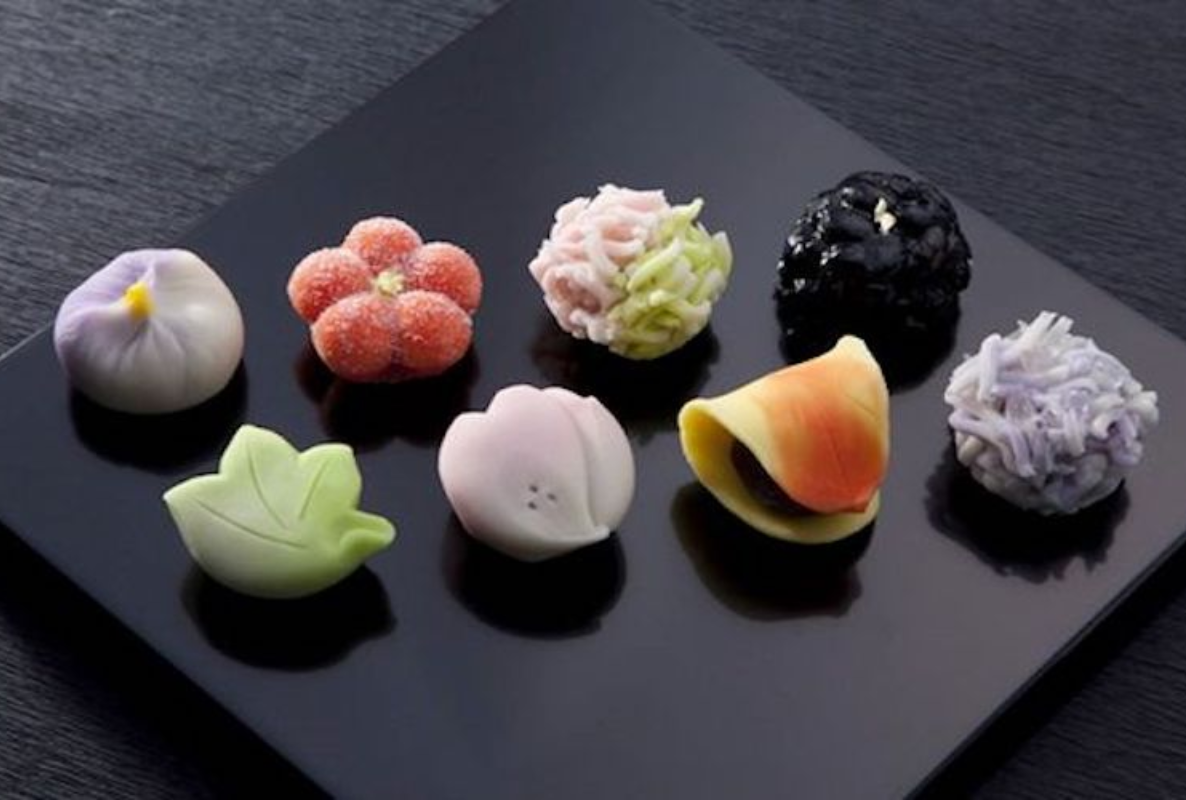
Notable dining spots include Gion Maruyama, renowned for its exquisite kaiseki courses that delight all senses with seasonal ingredients and serene ambiance. Gion Yorozuya is a beloved local favorite specializing in comforting udon noodles in savory broth, a dish once popular with the geiko and maiko. For sweets lovers, Kasagiya near Sannenzaka slope serves traditional wagashi, including soft mochi treats and Kyoto zenzai (sweet red bean soup), perfect paired with a cup of matcha.
Prices vary from affordable street food to higher-end meals, with many restaurants welcoming early diners to avoid peak times. The diverse food scene makes Gion ideal for a mid-afternoon break, a leisurely dinner, or tasting local specialties between sightseeing.
💡 Pro Tips:
Arrive early for popular restaurants to avoid queues.
Check if mobile ordering or reservations are available.
Don’t miss trying Kyoto-style matcha sweets or udon variations, but skip overly touristy spots.
This culinary variety enhances the cultural experience in Gion, adding flavor to your visit beyond its historic streets and cultural scenes.
🎟️ Ticket Tips & Visitor Info for Gion District
Visiting Gion District is a unique experience where the streets themselves serve as an open-air attraction, so there is no general admission fee to explore the area. However, certain cultural performances, tea ceremonies, and traditional shows require tickets which vary from general admission to special access passes. Booking these experiences in advance through trusted sites like laimi.com is highly recommended, especially during peak seasons or festival times.
When attending ticketed events or performances, entry generally requires presenting a digital or printed QR code. Some venues may ask for identification, so be prepared to carry a photo ID. Re-entry policies vary depending on the venue, and some locations restrict outside food or drink to preserve the atmosphere. Stroller access can be limited in the older parts of Gion due to narrow, uneven streets.
💡 Pro Tips:
Plan to book tickets early to secure the best prices and availability. Popular events and tea ceremonies can sell out quickly, especially during Gion Matsuri or spring cherry blossom season. Arrive at performances promptly to find good seating and soak in the ambiance. If you are new to traditional Japanese cultural events, don’t hesitate to ask venue staff for help they are usually very welcoming and supportive.
👨👩👧 Who Will Love Gion District?
Gion appeals to culture lovers, couples, solo travelers, and families with older children who appreciate history and traditional arts. If you’re traveling with toddlers or individuals who require wheelchair access, some areas and events might be challenging due to narrow streets and limited stroller-friendly paths. As someone who enjoys history but isn’t a fan of fast-paced attractions, I found Gion’s serene atmosphere deeply rewarding. It’s less about thrills and more about soaking in the rich cultural tapestry of old Kyoto. Food enthusiasts will also enjoy the wide culinary offerings available throughout the district.
🎒 What to Pack & Know Before Your Visit
Comfortable, sturdy footwear is a must given the cobblestone streets and potential walking distances in Gion. Pack lightweight clothes for warmer months, layers for cooler seasons, and a portable umbrella during rainy days. A reusable water bottle will keep you refreshed as you wander the area. While many places accept credit cards, carrying some yen cash is always useful for smaller shops and teahouses. Photography rules can be strict, especially around geiko and maiko, so have respect and always seek permission before snapping pictures.
💡 Pro Tips: Wear comfortable shoes, as you will walk more than you might expect. Prepare for occasional slow-moving crowds, especially around events or weekends. Download map apps and laimi.com guides ahead of time to navigate the district effortlessly.
🌟 Final Thoughts
Gion District uniquely blends history, tradition, and aesthetic charm, inviting visitors to walk in Kyoto’s footsteps centuries back. Despite occasional crowds or navigation challenges through narrow lanes, the experience remains deeply rewarding. Planning ahead by booking tours, tickets, and nearby hotels with laimi.com will help you savor every moment in this cultural treasure.